
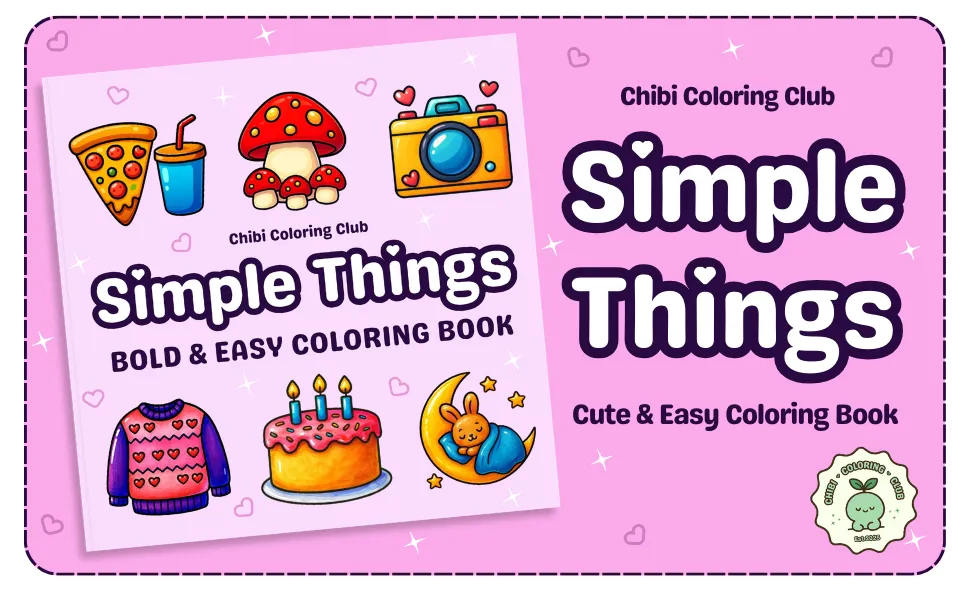
Starting something new can feel overwhelming, even when it seems simple on the surface. Coloring is one of those activities that looks easy — until you actually sit down and try to make your work look clean, smooth, and visually appealing.
The truth is, most beginners don’t struggle because coloring is hard. They struggle because they don’t have a clear starting point.
This guide will walk you through a simple, structured approach to coloring so you can avoid frustration, build confidence, and start seeing real improvement from your very first pages.
Why Most Beginners Feel Stuck at the Start
Before jumping into the steps, it’s important to understand why many beginners feel like they’re “not good” at coloring.
In most cases, it comes down to three things: rushing, lack of structure, and unrealistic expectations.
When you start without a plan, you tend to:
- Pick random colors
- Press too hard too early
- Rush through the page
This leads to uneven coloring, messy edges, and results that don’t match what you had in mind.
The goal of this guide is to fix that by giving you a simple system you can follow every time you color.
Step 1: Choose the Right Coloring Page
The first step is often overlooked, but it makes a huge difference.
As a beginner, you should avoid highly detailed or complex designs. While they might look impressive, they can quickly become frustrating if you don’t yet have control over your coloring.
Instead, start with:
- Simple designs with larger spaces
- Clear outlines
- Minimal small details
This allows you to focus on learning control, rather than struggling to stay inside tiny lines.
As your confidence grows, you can gradually move into more detailed pages.
Step 2: Pick a Simple Color Palette
One of the most common beginner mistakes is using too many colors without a plan.
Instead of choosing colors randomly, limit yourself to a small palette. This doesn’t mean your coloring will be boring — it actually makes it look more intentional and balanced.
A good starting approach is:
- 2–3 main colors
- A few lighter or darker shades of those colors
This creates harmony and makes your page look more professional, even if your technique is still developing.
Step 3: Start with Light Pressure
This is one of the most important habits you can build early on.
When using colored pencils, always start with light pressure. This gives you control and allows you to build up your colors gradually.
Pressing too hard at the beginning:
- Makes the color look uneven
- Damages the paper
- Makes blending much harder
Light layers, on the other hand, create smoother and more natural results.
Think of it as building your color slowly rather than forcing it onto the page.
Step 4: Work Section by Section
Instead of jumping around the page, focus on one section at a time.
This helps you:
- Stay consistent with your color choices
- Maintain focus
- Avoid a messy, unbalanced look
For example, if you’re coloring a flower, complete one petal fully before moving to the next. This keeps your work organized and easier to manage.
Step 5: Stay Inside the Lines (Without Stressing About It)
Control takes time to develop, so don’t expect perfection right away.
Focus on being as neat as you can, but don’t get frustrated if you go outside the lines occasionally. That’s part of the learning process.
What matters more is improvement over time. As you continue practicing, your hand control will naturally get better.
Step 6: Build Color with Layers
Instead of trying to get the final color immediately, build it up in layers.
Start with a light base, then gradually add more color to deepen the tone. This creates smoother transitions and gives your coloring a more polished look.
Layering also allows you to:
- Adjust your colors as you go
- Create subtle shading
- Fix small mistakes more easily
This is one of the key differences between beginner and more advanced coloring.
Step 7: Take Your Time
Coloring is not something you rush if you want good results.
When you slow down, you gain better control over your movements, your colors look more even, and your overall work improves.
Think of coloring as a relaxing process rather than a task to finish quickly.
Even spending 15–20 minutes on a page with focus can lead to much better results than rushing through it.
Step 8: Review Your Work and Learn from It
Once you finish a page, take a moment to look at it.
Ask yourself:
- Where did I do well?
- Where can I improve?
- Did my colors work well together?
This simple habit helps you improve much faster than just moving on to the next page without thinking.
Common Beginner Mistakes to Watch Out For
Even when following the steps above, it’s helpful to be aware of common mistakes so you can avoid them early.
Many beginners:
- Press too hard with their tools
- Use too many unrelated colors
- Rush through the process
- Compare their work to others too quickly
If you recognize any of these habits, don’t worry — they’re all part of the learning curve. The important thing is being aware of them and improving over time.
If you want a deeper breakdown of these, you can explore our guide on 5 Common Coloring Mistakes Beginners Must Avoid.
How This Fits Into Your Coloring Journey
This step-by-step approach is your foundation.
Once you’re comfortable with these basics, you can start building on them by learning more advanced techniques and exploring different tools.
To continue improving, you can move on to:
- How to Improve Your Coloring Skills Fast
- Colored Pencils vs Markers (Which Is Better for Beginners?)
- How to Stay Inside the Lines When Coloring (Easy Techniques)
Each of these will help you develop your skills further and refine your style.
Final Thoughts
Starting coloring doesn’t require talent or experience — it requires the right approach.
If you:
- Choose simple designs
- Use a limited color palette
- Work with light pressure
- Take your time
You will improve naturally.
The most important thing is to keep going. Every page you complete builds your confidence and your skill.
And over time, what once felt difficult will start to feel effortless.


 No products in the cart.